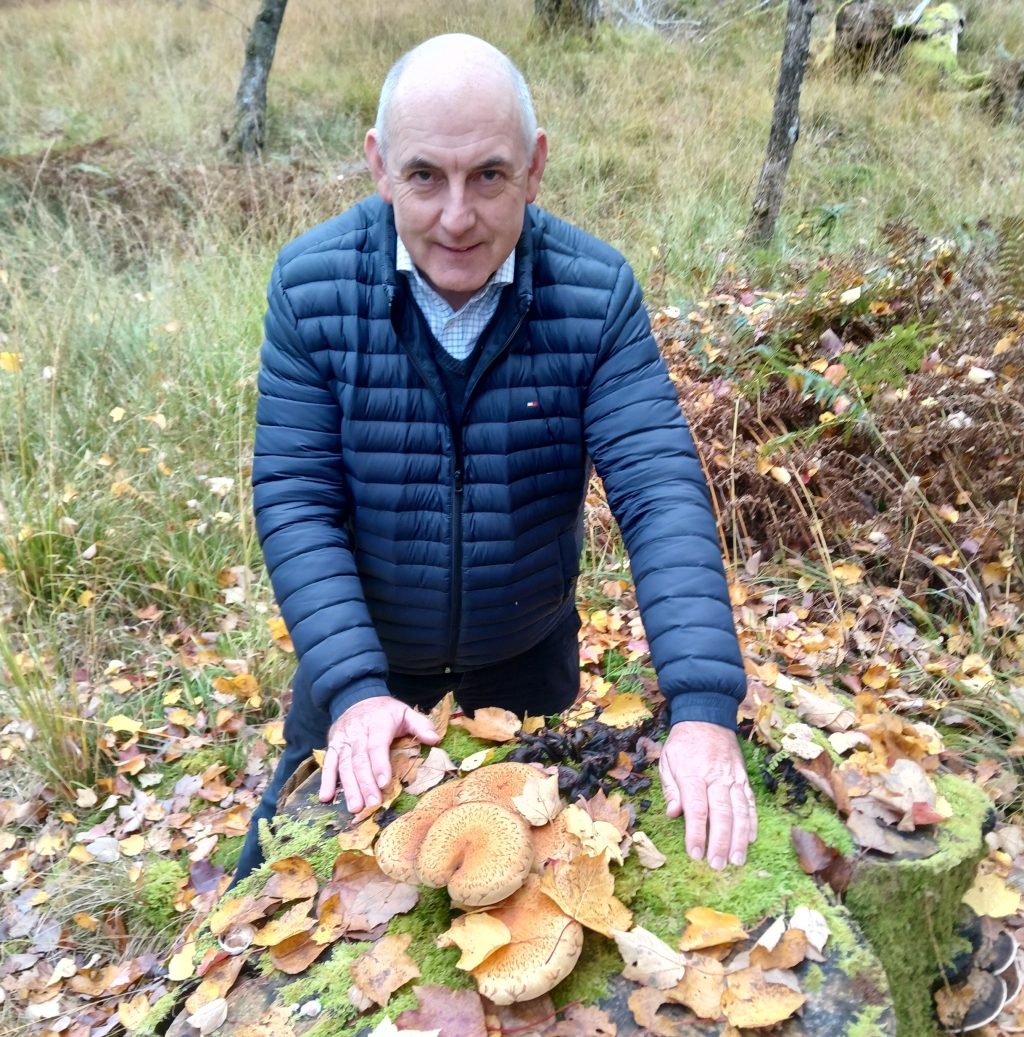
VISITORS ARE MUSHROOMING at a top Cumbrian holiday park after this autumn created ideal conditions for foraging edible fungi.
Skelwith Fold Caravan Park in Ambleside says visitors numbers are well up on October last year as social media spread news about the rich pickings to be had.
But the abundance of free food from nature’s larder in the park’s 130-acre grounds has prompted the business’s Henry Wild to issue a caution to guests.
He says that if people can’t tell their edible Penny Buns from their potentially fatal Death Caps, they should leave well alone – and never send out children alone to forage.
Henry suggests that wild food seekers use an app such as Google Lens to photograph unfamiliar fungi and to upload the picture to identify the species.
Varieties such as apricot-coloured Chanterelles, brown-capped Penny Buns and the trumpet-like Horns of Plenty can make delicious eating, he says.
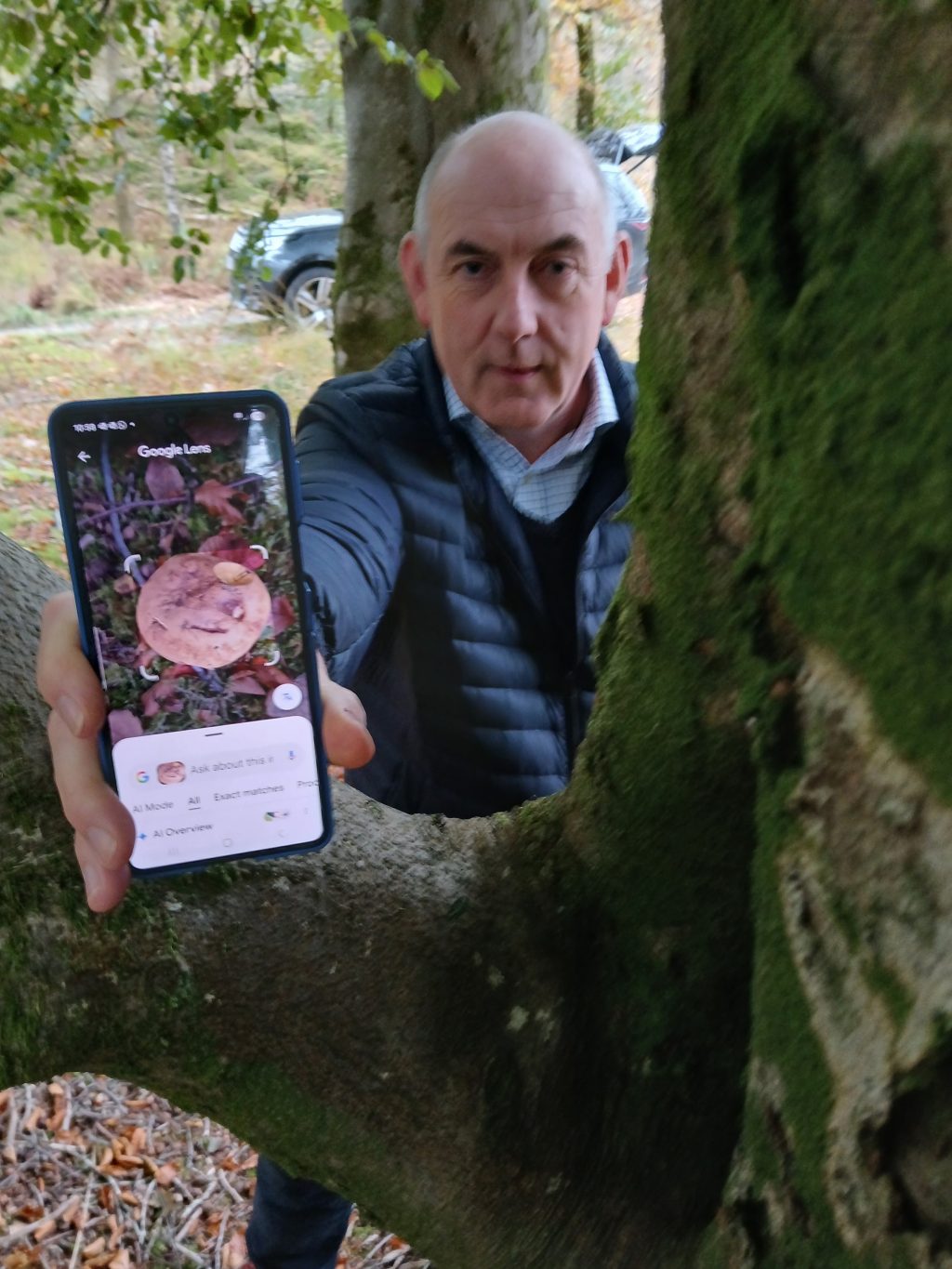
But also lurking in the woods, warns Henry, are types such as Destroying Angels, Panther Caps and Death Caps – all of which could produce more than a funny tummy if eaten.
“We certainly don’t want to deter anyone from enjoying a free culinary feast here, and this is an especially good year for fungi,” said Henry.
“Foraging also makes a great family day out, whether on our park or in the many ancient woodlands which are to be found in the Lake District.
“But we do suggest that guests gather only what they need for a single meal – and not to be tempted to strip an entire patch so they can fill bags to take home.
“Leave something for wildlife, such as the red squirrels and deer found at Skelwith Fold, and whose winter survival depends on wild food,” he said.
Skelwith Fold was named as the Holiday Park of the Year in 2025 by Cumbria Tourism, and has won a number of top green awards for its care of the natural environment.
Its 400 pitches include luxury safari tents and other glamping options, plus facilities for touring caravans and motorhomes as well as privately-owned holiday caravans.
Many visitors, said Henry, are drawn by the park’s wrap-around nature, enhanced this autumn by the proliferation of so many different types of fungi.
But he says he is anxious that guests keep their foraging both environmentally-friendly and low-risk – or else do their foraging in the local supermarket.
“Skelwith Fold relies each year on a very high number of repeat bookings, and we certainly don’t want guests making this their last visit!” added Henry, a former national chairman of the British Holiday & Home Parks Association.